

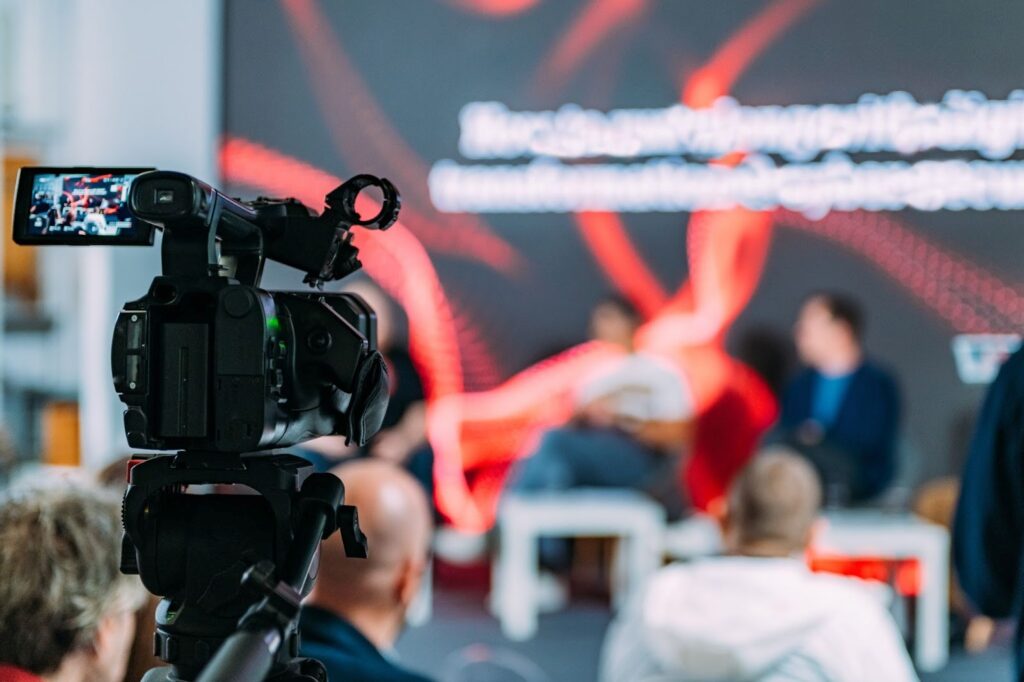
Corporate event planning has evolved far beyond booking a room and arranging catering. According to Bizplanr, 78% of event planners in 2025 are expected to adopt hybrid event formats, combining in-person and virtual elements to cater to a wider audience.
With the rise of hybrid events, planning for success now demands a strategic blend of technology, logistics, and creative execution. In this article, we share expert corporate event planning tips that apply to in-person, virtual, and hybrid events. You’ll learn how to align your event goals with your company strategy and deliver a memorable experience for every attendee, no matter where they are!
What Is Corporate Event Planning?
Corporate event planning is the process of organizing professional events such as conferences, product launches, team-building activities, and business meetings. It includes budgeting, scheduling, logistics, vendor coordination, and aligning the event with the company’s strategic goals.
What Are the Key Elements of Professional Event Planning?
Successful corporate event planning relies on a combination of strategic decisions, logistical precision, and audience-focused execution.
- Clear event objectives aligned with business goals
- Defined target audience and attendee expectations
- Realistic budget and detailed timeline
- Venue selection suited to the event format and size
- Professional AV and interpretation services
- Engaging content and speaker coordination
- Multilingual materials and inclusive communication
- Streamlined registration and check-in process
- Post-event feedback collection and performance review
How Does Strategic Event Planning Impact Business Success?
Well-executed events do more than just fill a room, they create meaningful connections, reinforce brand values, and drive measurable outcomes. Here’s why smart planning makes all the difference:
- Ensures every element, from venue to tech, is aligned with your event objectives
- Helps manage your event budget more efficiently with fewer last-minute surprises
- Boosts attendee engagement through structured agendas, interactive content, and smooth logistics
- Allows for better coordination between your event team, vendors, and support staff
- Supports inclusive communication, especially in bilingual or multicultural settings
- Improves long-term ROI by collecting insights for future events and refining your event planning checklist
With professional guidance and the right tools in place, your next company event won’t just run smoothly, it’ll stand out.
Plan Your Event Smoothly with AV and Interpretation Experts
How to Plan a Corporate Event: 8 Planning Strategies for Modern In-Person and Online Events
1. Define Your Event Goals and Audience
A well-executed corporate event starts with a clearly defined event objective. Are you organizing a bilingual team-building event, an awards ceremony, or a virtual event for stakeholders? The type of event you choose will determine the structure of your event planning process, the event timeline, and even your venue sourcing strategy across the province.
Knowing who your guests are—their professional background, languages spoken, travel options, and even dietary restrictions—will help you personalize the experience and ensure inclusive communication. This is especially important for multi-day events with a global or multicultural guest list.
2. Create a Realistic Budget and Timeline
Setting a realistic event budget and a clear timeline is critical to ensuring event success. Start by outlining the key cost categories in your event planning checklist. These often include:
- Event venue rental and sourcing
- Keynote speakers and potential speaker fees
- Event technology and audiovisual setup
- Catering, accommodation options, and travel plans
- Interpretation services and translation support
- Marketing expenses such as email campaigns, event apps, and online registration tools
Don’t forget to account for backup plans, potential add-ons like interactive elements, and last-minute adjustments, especially for hybrid or remote events involving virtual attendees.
3. Book Professional AV and Interpretation Services
No matter the event type, high-quality audiovisual and language services are non-negotiable for delivering an unforgettable experience. At SM-Global, we offer integrated language and audiovisual support that simplifies the entire planning process and boosts the professionalism of your event:
- Certified interpretation services in English, French, and multiple Indigenous languages to serve a wide target audience
- Expert support for both simultaneous and consecutive interpretation for events and corporate parties
- Full-scale AV setup, from simple event mic systems to immersive lighting and display designs for 5-star venues
- Multilingual host and MC services to enhance inclusivity and streamline live communication during your event agenda
- Scalable solutions tailored to your event budget, goals, and location
Whether you’re launching a product or celebrating milestones, SM-Global ensures the experience is both technically flawless and culturally attuned.
Plan Your Next Event with Confidence
4. Choose the Right Venue (and Make It Tech-Ready)
Securing the perfect venue isn’t just about aesthetics. Your venue must support the technical demands of modern business events. The right event location plays a key role in ensuring a smooth, high-impact experience for all participants.
Start by evaluating your venue’s:
- Accessibility for all guests
- Capacity for your event type and the expected number of attendees
- Strong Wi-Fi and network infrastructure
- Soundproofing and acoustics for crystal-clear audio quality
- Visual layout for effective plenary sessions, breakout sessions, and interactive tools
If you’re organizing hybrid events, ensure the venue can support live streaming, optimized camera angles, and smooth integration with event management software, event apps, or your broader digital strategy.
It’s also essential to think beyond the event day itself. Consider how the venue aligns with your event planning team’s logistics: accommodation details, check-in process, departure times, and availability of rehearsal space for event team coordination and AV testing.
5. Prepare Multilingual Content and Event Materials
For a truly successful event involving international or multicultural audiences, preparing your content in multiple languages is essential. Clear communication across languages enhances both attendee engagement and the overall experience for guests.
Start by translating all key event materials, including:
- Documents, handouts, and speaker bios
- On-site signage and navigation guides
- Presentations, slides, and digital content
Incorporating clear visuals, icons, and layout consistency also supports easier interpretation during live sessions. These tech tools help reinforce clarity for multilingual audiences and promote higher audience engagement throughout your event lifecycle.
How to Run a Multi-Language Conference
6. Run a Technical Rehearsal
Even the most carefully planned company event can go off track if the tech doesn’t cooperate. A technical rehearsal is essential to ensure smooth execution. It’s your opportunity to align speakers, interpreters, MCs, and the event planning team with your production staff, reducing the risk of last-minute surprises.
Key rehearsal tasks should include:
- Sound systems testing and full AV checks
- Interpreter and MC dry runs to confirm timing, mic setup, and positioning
- Testing integration with your corporate event management software and any remote access links
- Running through transitions between event details, such as session changes, registration processes, or speaker handovers
7. Event Day: Focus on Execution and Flexibility
To reduce last-minute stress, corporate event managers should delegate responsibilities across the event planning team, using a comprehensive checklist to confirm readiness. Ensure that all tech systems, sound systems, and interpretation tools have been rechecked, and that contingency plans are in place.
Having reliable partners allows you, the event organizer, to concentrate on hosting, engaging with attendees, and delivering a polished and professional atmosphere.
Other keys to event success include:
- Monitoring the registration and check-in processes with real-time support staff
- Keeping communication open across all channels
- Staying flexible: from speaker no-shows to tech hiccups, being ready to pivot ensures a perfect event is still within reach
8. Post-Event Evaluation
Your event may be over, but the event lifecycle isn’t complete without a proper post-event evaluation. This step is critical for measuring event success, understanding the attendee experience, and refining your approach for future events.
Begin by gathering feedback from attendees, speakers, and vendors. This can be done via post-event surveys, follow-up email marketing, or feedback forms within your mobile event app or event management solution. Focus on key metrics like:
- Attendee satisfaction
- Engagement levels during sessions and breakout discussions
- Effectiveness of your registration process, sound systems, and interactive tools
- Performance against your original SMART goal and marketing plan
Next, take time to thank your event team, event organizer, sponsors, and vendors. A well-timed email or personalized message not only shows appreciation but also helps strengthen relationships for future events and collaborations.
Discover How SM-Global Can Elevate Your Event Experience
SM-Global: Language and AV Experts for Flawless Events
Whether you’re planning a bilingual company event, a hybrid summit, or a government-led conference, SM-Global delivers reliable, professional, and multilingual event support designed for the realities of Canadian event execution.
Here’s what sets us apart:
- Certified interpretation services in English, French, and Indigenous languages—ideal for government, academic, and multicultural audiences
- Complete AV production tailored to venue size and format—from basic mic setups to immersive lighting and full sound systems
- Multilingual hosts, MCs, and support staff to help guide in-person and virtual attendees throughout the event
- Seamless integration with your event tech, including digital streaming tools
- Pre-event AV and interpreter rehearsals to ensure smooth execution, especially for hybrid or multi-session formats
- Scalable services for everything from boardroom meetings to large-scale business conferences or community events
- OTTIAQ-certified document translation and live overdubbing to support inclusive communication before, during, and after your event
- On-site and virtual tech teams in key Canadian markets to assist with last-minute troubleshooting and coordination
- Post-event review and optimization to help improve performance and plan smarter for future events
From Montreal to Val-d’Or to Vancouver, SM-Global helps ensure that every event—regardless of type or scale—delivers clarity, impact, and a truly unforgettable experience.
Ready to Take Your Event to the Next Level?
Interpretation and AV Services You Can Rely On
At SM-Global, we specialize in delivering seamless, multilingual event experiences across Canada. From certified interpretation and professional AV production to document translation and hybrid event support, we work closely with our clients to ensure every detail—from sound checks to speaker sessions—is handled with precision.